
Why 50-Year Mortgages Aren’t the Win They Appear to Be
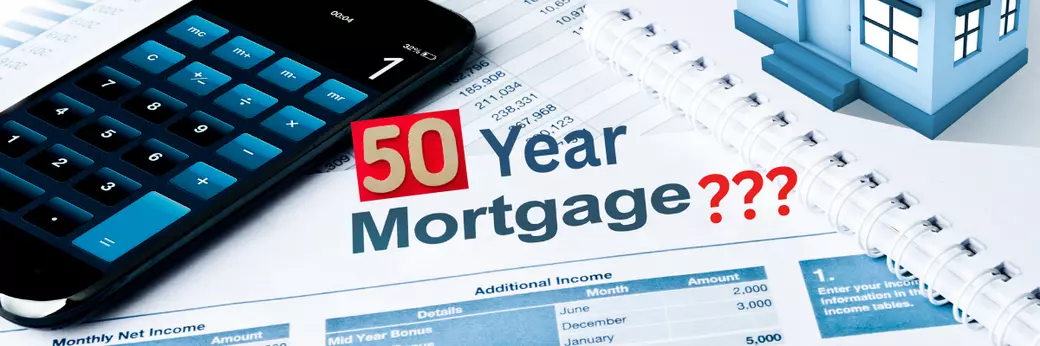
With home prices rising and affordability tightening, some lenders and policymakers have floated the idea of 50-year mortgages as a way to lower monthly payments. On the surface, it sounds appealing: stretch the loan longer, bring the payment down, and make the home more “affordable.”
But in reality, 50-year mortgages can cost buyers hundreds of thousands more over time, build equity painfully slowly, and keep homeowners in debt far longer than they should be.
Let’s break down why a 50-year mortgage is not the solution it appears to be.
1. The Monthly Savings Are Surprisingly Small
Many buyers assume a 50-year mortgage would drop the monthly payment dramatically. In truth, the difference is usually minimal.
Example Scenario
-
Purchase price: $450,000
-
Down payment: 10%
-
Loan amount: $405,000
-
Interest rate: 6.5% (same for both loans for comparison)
Monthly Payments (Principal & Interest Only):
-
30-year mortgage: ~$2,561/mo
-
50-year mortgage: ~$2,328/mo
Difference: Only $233/month
That’s about the cost of one dinner out or a cable bill—not a game-changing affordability shift.
2. But the Total Interest Paid Is Massive
While the monthly savings look nice, the long-term cost is where the 50-year mortgage falls apart.
Total Interest Over the Life of the Loan
-
30-year mortgage: ~$515,000 in interest
-
50-year mortgage: ~$1,045,000 in interest
Difference: You pay over $530,000 MORE in interest on a 50-year loan.
That’s more than the price of the house itself.
3. It Slows Down Equity—By a Lot
On a 30-year mortgage, you begin building equity at a reasonable pace.
On a 50-year mortgage, your early payments barely touch the principal.
After 10 years:
-
30-year loan: ~15% of the mortgage paid down
-
50-year loan: <5% paid down
This matters because:
-
You build wealth far more slowly
-
You risk going underwater if home values soften
-
It becomes harder to refinance or sell without taking a loss
4. It Exposes Buyers to Long-Term Financial Risk
A 50-year loan stretches into multiple life stages—career changes, retirement, health shifts, kids, business cycles, and economic downturns.
You could still be paying a mortgage at age 70, 75, or 80.
5. It Can Inflate Home Prices
When buyers can “afford” more with longer loan terms, sellers often raise prices to match.
This has already happened in markets like Japan and parts of the UK.
The result?
-
Homes get more expensive, not more affordable.
-
The 50-year loan becomes a band-aid that masks the real issue: supply, zoning, and affordability policy.
The Bottom Line
A 50-year mortgage offers buyers a small temporary monthly benefit, but at the cost of massive long-term debt, extremely slow equity growth, and over half a million dollars in extra interest.
It doesn’t solve affordability—it delays it and magnifies it.
For most buyers, staying with a 30-year mortgage (or even exploring a 40-year loan as a last resort) is a far more financially sound path.
Categories
Recent Posts






ARE YOU LOOKIING TO SELL YOUR HOME FOR TOP DOLLAR? CLICK THE BUTTON BELOW TO GET STARTED
SELL YOUR HOME