
Florida’s Transportation Boom: How New Roads & Rail Are Reshaping Real Estate in 2026
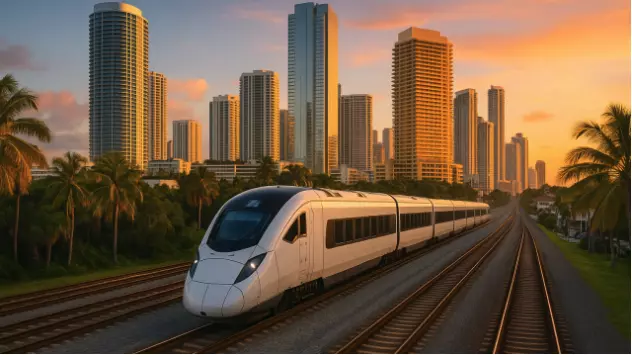
Florida is in the middle of a major transportation transformation. With millions of new residents arriving over the past decade and more on the way, the state has invested billions in roads, railways, highways, and public transit upgrades. These projects aren’t just reducing commute times—they’re reshaping Florida’s real estate market in a profound way.
As we enter 2026, infrastructure is quickly becoming one of the biggest drivers of property values, new development, and migration patterns across Central and South Florida.
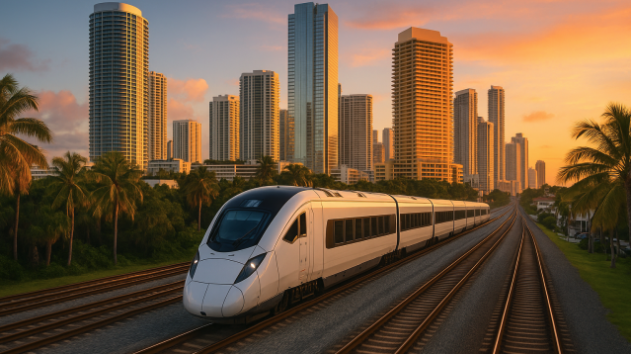
Major Transportation Upgrades Coming in 2026
1. I-4 Beyond the Ultimate (Orlando Region)
This multi-year improvement project is one of the most significant in Central Florida’s history. Enhancements include:
-
Express lanes
-
Redesigned interchanges
-
Improved traffic flow
-
Safer exit and entry points
These improvements are opening new opportunities in Sanford, Lake Mary, Davenport, and the surrounding suburbs.
2. Brightline High-Speed Rail Expansion
The Brightline system has already changed how Floridians travel between Miami, West Palm Beach, and Orlando. But 2026 will be even bigger as plans move forward for the Orlando-to-Tampa extension.
Real estate near existing or planned Brightline stations is experiencing:
-
Rising home values
-
Increased walkability
-
Growth in mixed-use developments
-
Interest from investors and developers
Lake Nona, in particular, continues to surge thanks to the presence of the Orlando Brightline station.
3. New Roads and Suburban Bypasses
Fast-growing areas like:
-
Clermont
-
Kissimmee
-
St. Cloud
-
Davenport
-
Lakeland
-
Wesley Chapel
…are seeing major new connectors, widened highways, and bypasses designed to ease congestion and support growth.
These projects make outer suburbs more accessible—leading to booming home sales and new construction activity.
4. Tampa Bay Transit & Road Improvements
Tampa is working on:
-
Expanding I-275
-
Widening I-75
-
Launching bus rapid transit (BRT) corridors
-
Planning future rail and transit options
This growth is boosting areas like Riverview, Brandon, Pasco County, and the Westshore District.
How Transportation Upgrades Impact Real Estate
Infrastructure directly influences property values and buyer demand.
1. Easier Commutes = More Attractive Suburbs
Remote work may be slowing, but hybrid arrangements are here to stay. Faster commutes make homes farther from city centers more appealing and affordable.
2. Transit-Oriented Developments Are Rising
Areas close to rail, bus, and express lanes are seeing:
-
New condos
-
Apartments
-
Mixed-use communities
-
Commercial hubs
This trend mirrors major coastal cities like Miami and West Palm Beach.
3. Commercial Real Estate Follows Infrastructure
Logistics centers, retail plazas, and office developments tend to follow population shifts—especially near new roadways.
4. Investors Are Watching Emerging Corridors
Many investors use transportation projects to predict the next high-growth neighborhoods.
Where to Watch in 2026
Some of the hottest infrastructure-driven markets include:
-
Lake Nona (Orlando)
-
Kissimmee / St. Cloud corridor
-
Lakeland & Polk County
-
Wesley Chapel
-
Pasco County expansion zones
-
Davenport & Four Corners
-
Tampa’s Westshore District
These areas are attracting buyers, renters, developers, and investors at record speed.
Bottom Line
Florida’s transportation boom is one of the most significant forces shaping the real estate market in 2026. As new roads, highways, and rail systems connect communities across the state, property values will continue rising, suburban areas will expand, and new opportunities will emerge for buyers and investors. In a fast-growing state like Florida, infrastructure isn’t just about convenience—it’s about building the future.
Categories
Recent Posts






ARE YOU LOOKIING TO SELL YOUR HOME FOR TOP DOLLAR? CLICK THE BUTTON BELOW TO GET STARTED
SELL YOUR HOME