
Central Florida Development Projects Accelerating Into 2026
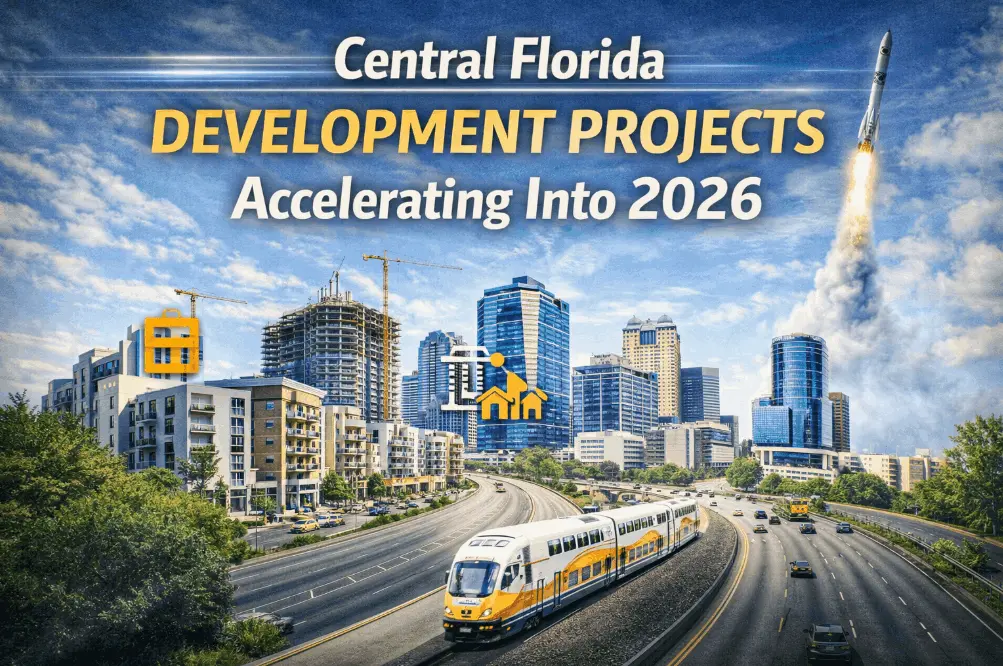
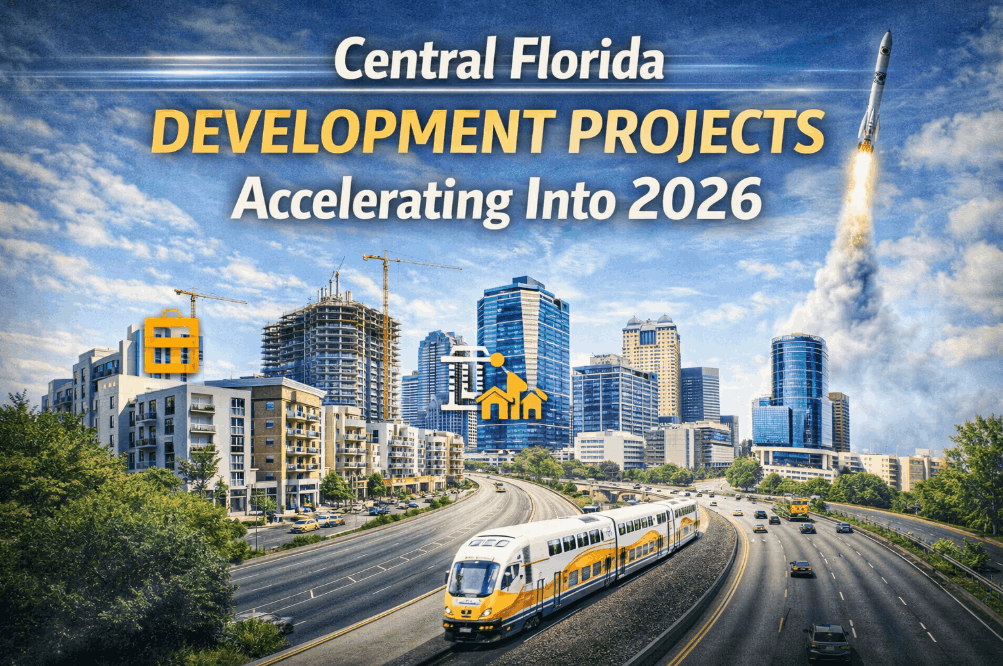
Central Florida’s growth story is rapidly evolving — and 2026 looks set to be a pivotal year in the region’s transformation. After years of planning, several major development projects that were once on hold or in early planning stages are finally moving forward, backed by strong local demand, economic growth, and strategic investment from both public and private sectors. These developments are reshaping how people live, work, and play across Central Florida — from downtown Orlando to master-planned communities on the outskirts of the metro.
In this post, we’ll highlight the most impactful development projects coming online in 2026 and beyond, explain why they matter to buyers, sellers, investors, and residents, and share real examples of progress already underway.
🌆 Downtown Orlando: A New Urban Heart
One of the most visible signs that Central Florida’s development momentum is accelerating is in downtown Orlando.
🏙 Westcourt — Mixed-Use Mega-Project
Among the most anticipated projects is Westcourt, a large scale mixed-use development near the Orlando Magic arena that is expected to break ground in 2026 after years of planning. When complete, it will feature:
- 270 high-rise residences
- A full-service hotel
- Up to 300,000 square feet of Class A office space
- 120,000 square feet of entertainment, dining, and retail
- A 3,500-seat live event venue
- Expansive outdoor spaces and meeting areas
This project represents more than just new buildings — it reflects a shift towards a 24/7 live-work-play urban core, which attracts new residents, jobs, and visitors.
🏗 Orlando Sentinel Site Redevelopment
Just south of the existing urban core, the 20-acre former Orlando Sentinel site — vacant for years — is being cleared to make way for an ambitious $2 billion redevelopment. City officials and developers have partnered on a vision that could take a decade to fully build out, with potential for a dense, mixed-use destination of residential, retail, and commercial space.
This kind of large-scale investment shows confidence in Orlando’s long-term economic growth and helps attract further private capital.
🏡 Master-Planned Communities: Housing for Growth
While urban development is grabbing headlines, suburban and master-planned communities remain a major part of Central Florida’s expansion — especially as population growth continues and housing demand spreads outward.
🌿 Sunbridge — Tens of Thousands of New Homes
One of the region’s largest master-planned developments, Sunbridge, spans 27,000 acres across Orange and Osceola counties. After a relatively quiet start, the project is accelerating in 2026 with national builders such as Taylor Morrison, Toll Brothers, and Pulte Homes planning phases of construction. The community could ultimately include up to 30,000 new homes, offering a mix of price points and housing types.
Sunbridge is designed to be more than just another subdivision — it will include mixed-use village centers, schools, trails, parks, and connections to broader Central Florida infrastructure. For buyers and investors, developments of this scale often mean long-term stability, significant population growth, and rising property values.
🌾 “The Grow” Agrihood — A New Lifestyle Community
Central Florida is also seeing creative new community types, such as The Grow, a sprawling 12,000-acre “agrihood” in east Orlando that combines modern homes with working farms, walking trails, greenhouses, and agricultural amenities. In contrast to traditional subdivisions, this development emphasizes wellness, nature, and community living — a lifestyle trend that appeals to a growing segment of buyers.
Projects like The Grow show how development is diversifying beyond traditional models, offering unique living experiences that reflect changing buyer preferences.
🚧 Downtown Infrastructure and Streetscape Enhancements
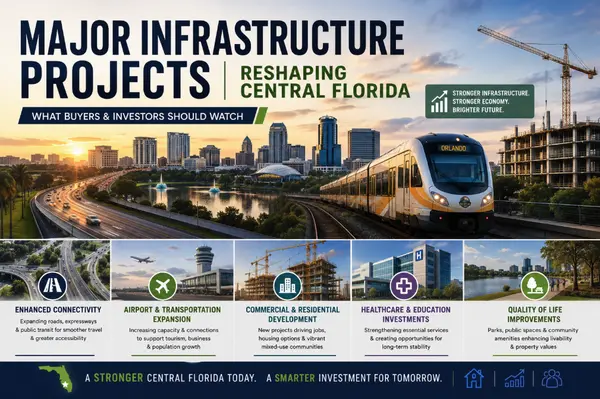
Growth isn’t just about buildings — it’s also about infrastructure improvements that support mobility, safety, and quality of life.
🛣 Major Street and Transportation Projects
The City of Orlando has approved multiple infrastructure projects scheduled to begin in 2026, including:
- State Road 408 improvements with additional lanes and redesigned interchanges
- Church Street upgrades to create a more pedestrian-friendly corridor
- Downtown Bike Gap improvements to expand safe, connected bike lanes
- The Canopy, a unique public space under I-4 linking cultural and entertainment districts
- Streetscape enhancements such as the Lake Eola Park gateway entrance and pocket parks in downtown Orlando
These projects support walkability, transit access, and attractiveness of dense urban districts — all of which help drive residential and commercial development.
💰 $160 Million Downtown Funding
In early 2026, the City of Orlando approved a $160 million financing plan for downtown revitalization, including walkability and public space improvements tied to these infrastructure initiatives. This investment underscores a commitment to making downtown not just a workplace or tourist destination, but a vibrant neighborhood where people want to live.
🛫 Regional Growth: Airport, Transit, and Mobility
Central Florida’s growth isn’t constrained to a single district — transportation and regional mobility projects are helping connect the dots.
✈️ Orlando International Airport Expansion
Orlando International Airport is continuing to expand capacity to support increasing passenger volumes. As tourism rebounds and business travel grows, airport expansions play a critical role in boosting economic activity and attracting corporate relocations.
🚆 Brightline and East-West Connectivity
While still progressing, projects like Brightline’s expansion and continued investment in east-west transportation corridors (including improvements to I-4 and expressways) are significant. These investments reduce travel times, open new commuter sheds, and make suburban areas more attractive for housing and jobs — potentially expanding the footprint of Central Florida’s real estate market.
🎯 What This Means for Real Estate and Local Economy
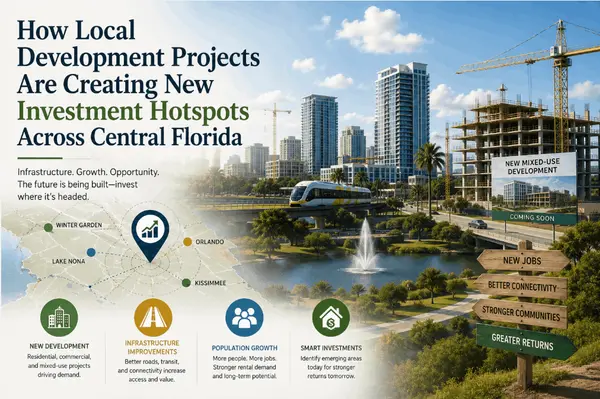
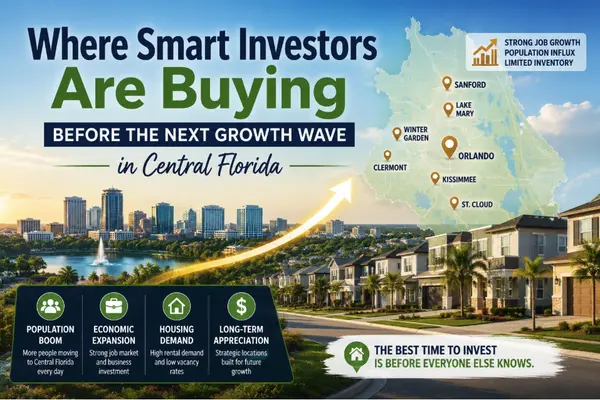
Taken together, these development projects signify a broader economic shift in Central Florida — one that goes beyond tourism and hospitality and positions the region as a diverse hub for living, working, and investing.
📈 Stronger Housing Demand
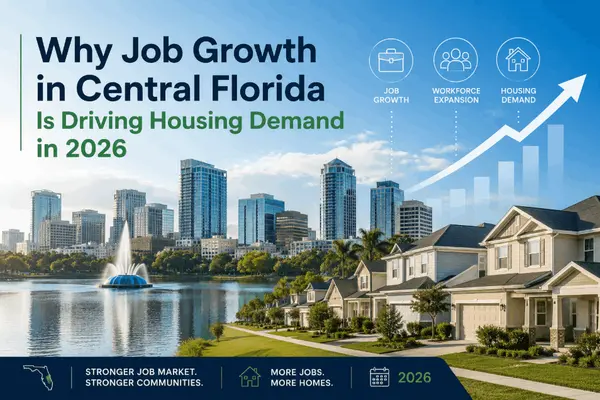
New housing and mixed-use developments help meet demand from newcomers relocating for jobs, lifestyle, or affordability. Large projects like Sunbridge and downtown residential towers support population growth projections.
💼 Job Growth and Economic Diversification
With major developments attracting businesses, office space, and amenities, Central Florida is expanding employment opportunities — from construction and real estate to tech, healthcare, and services. This broader economic base helps stabilize the market even when tourism fluctuates.
📍 Better Quality of Life
Infrastructure improvements, public spaces, and walkable design elevate quality of life, making Central Florida more appealing to families and professionals alike. Placemaking initiatives — such as redesigned streets and bike paths — contribute to healthier, more connected communities.
Closing Thoughts
2026 is shaping up to be a landmark year for development in Central Florida. From massive urban redevelopment to planned suburban cities, from transportation upgrades to transformed public spaces, the region’s built environment is changing rapidly.
For homebuyers, investors, and locals alike, these developments offer both opportunities and signals about where demand — and value — is headed. Central Florida’s infrastructure and vision aren’t just keeping pace with growth — they’re helping accelerate it.
Categories
Recent Posts



ARE YOU LOOKIING TO SELL YOUR HOME FOR TOP DOLLAR? CLICK THE BUTTON BELOW TO GET STARTED
SELL YOUR HOME