
The “Rate-Lock” is Breaking: Why More Houses are Hitting the Central Florida Market in 2026
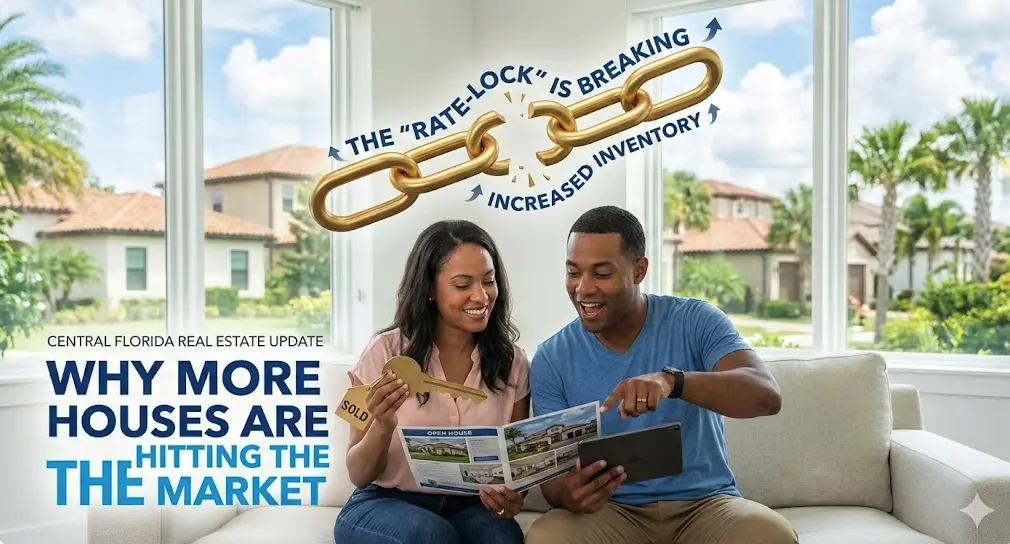
For the past three years, the real estate market felt like it was holding its breath. We’ve all heard the story: homeowners who locked in 2.5% or 3.5% interest rates during the pandemic-era boom weren't moving. Why trade a "unicorn" mortgage for a 7% or 8% rate? This phenomenon, known as the “Rate-Lock Effect,” effectively paralyzed housing inventory, leaving buyers with slim pickings and keeping prices artificially high despite lower demand.
But as we move into the spring of 2026, the landscape in Central Florida—from the suburban reaches of Lake County to the bustling heart of Orlando—is shifting. The "Golden Handcuffs" are finally coming off.
In this post, we’ll explore the facts, the math, and the human stories behind why the rate-lock is breaking and what this means for you, whether you’re looking to buy your first home or add to your investment portfolio.
1. The Magic Number: Mortgage Rates Dip Below 6%
The biggest catalyst for change is the recent movement in interest rates. As of late February 2026, the average 30-year fixed mortgage rate has finally dipped below the psychological barrier of 6%, hovering around 5.98%.
While this is still higher than the 3% rates of 2021, the "spread" between a homeowner’s current rate and a new rate has narrowed significantly. For many Central Florida families, the math finally "makes sense" again.
The Math in Action: > In 2024, a family moving from a 3% rate to a 7.5% rate might have seen their monthly payment double for the exact same loan amount. Today, with rates closer to 5.8%–6%, that jump is much less jarring, especially when paired with the significant equity growth Florida homeowners have seen over the last five years.
2. Life Happens: The “Four Ds” of Real Estate
You can only put your life on hold for so long. For three years, many homeowners stayed in houses they had outgrown because of their low rates. But by 2026, the biological and social pressures have reached a tipping point. We call these the Four Ds:
-
Diamonds (Marriage/Growing Families): Couples who stayed in a 1-bedroom condo in Downtown Orlando now have toddlers and desperately need a backyard.
-
Divorce: Life changes require asset liquidation, regardless of the interest rate.
-
Downsizing: Baby Boomers are realizing that a massive 5-bedroom home in Windermere is too much to maintain, and the "lock-in" is no longer worth the physical and financial stress of upkeep.
-
Departure (Job Relocation): With the 2026 economy stabilizing, corporate relocations into the Central Florida tech and tourism corridors are surging again.
According to recent data, Florida saw a 15.2% increase in existing home inventory toward the end of last year, with an additional 8.9% growth projected for 2026. People aren't just moving because they want to; they’re moving because they need to.
3. The Central Florida Inventory Surge: By the Numbers
If you’re looking at the Greater Orlando area, the stats tell a clear story of a market returning to balance. In January 2026, we saw:
-
New Listings: Over 4,800 homes were listed in the Greater Orlando area in January alone.
-
Months of Supply: We are currently seeing about 3.4 to 4.6 months of inventory. To put that in perspective, during the "frenzy" years, we often had less than one month of supply.
-
Price Moderation: The median selling price in Orlando has hovered around $395,000, which is a slight 1.3% dip from early 2025.
For the first time in a decade, we are entering a "Balanced Market." This is a "Goldilocks" zone where sellers still get fair value, but buyers aren't forced to waive inspections or offer $50k over asking just to be considered.
4. The Investor Perspective: Why This is Your "Buy" Signal
As an investor myself, I see this shift as a massive opportunity. The rate-lock breaking doesn't just mean more single-family homes; it means more motivated sellers.
-
The Rise of the "Accidental Landlord" Exit: Many people who chose to rent out their old homes (rather than sell them and lose their 3% rate) are now tired of property management. As rates fall, they are finally listing these properties, opening up "turnkey" rental opportunities for professional investors.
-
Negotiation Power: With Median Days on Market now averaging around 97 days in parts of Central Florida, buyers have the leverage to negotiate. We’re seeing a return of seller concessions, closing cost credits, and price reductions—tools that were non-existent two years ago.
-
The "1031 Exchange" Window: With more inventory hitting the market, investors can finally find suitable "replacement properties" to complete 1031 exchanges without the fear of being left with cash and a massive tax bill.
5. New Construction is Pushing the Envelope
Don't forget the builders. In areas like St. Cloud, Davenport, and Horizon West, developers have been offering "rate buy-downs" for years to compete with the rate-lock effect. Now that organic rates are falling, builders are getting even more aggressive to move their 2026 inventory.
This creates a "domino effect": when a family moves into a new construction home, their previous "rate-locked" starter home finally hits the resale market. This is particularly visible in Polsk-estimated metros where the gap between current and held rates is closing the fastest.
6. What Should You Do Now?
The "Wait and See" era of real estate is officially over.
For Sellers: You are no longer competing against a ghost market of zero inventory. To stand out in 2026, your home needs to be priced correctly from day one. Buyers are selective now; they want move-in-ready homes and will pass on properties that feel overpriced for the current "new normal."
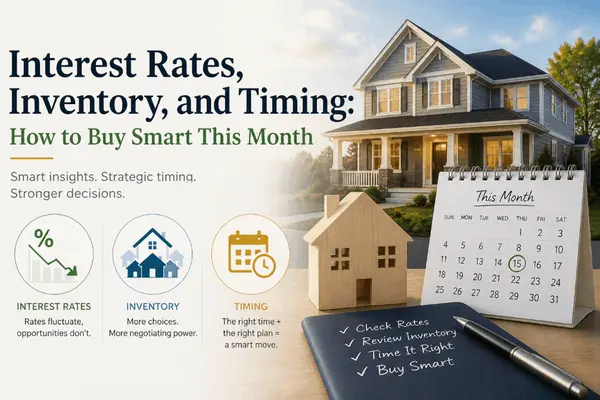
For Buyers/Investors: The window of "low competition" is closing. As rates continue to drift toward the mid-5s, more buyers will flood back into the market. If you wait for rates to hit 4% (which may not happen for years, if ever), you’ll likely find yourself in another bidding war that wipes out any savings from the lower interest rate.
The Bottom Line
The "Rate-Lock" isn't just cracking; it's breaking wide open. Central Florida is leading the charge with a robust mix of new inventory, stabilizing prices, and a growing economy. We are moving away from the "Stagnant Years" and into a "Strategic Market."
Real estate is about timing, but it's more about time in the market. With more homes to choose from and rates finally behaving, now is the time to build your plan.
Categories
Recent Posts


ARE YOU LOOKIING TO SELL YOUR HOME FOR TOP DOLLAR? CLICK THE BUTTON BELOW TO GET STARTED
SELL YOUR HOME