
Update on Florida’s Property Tax Bill: What Homeowners Need to Know Right Now
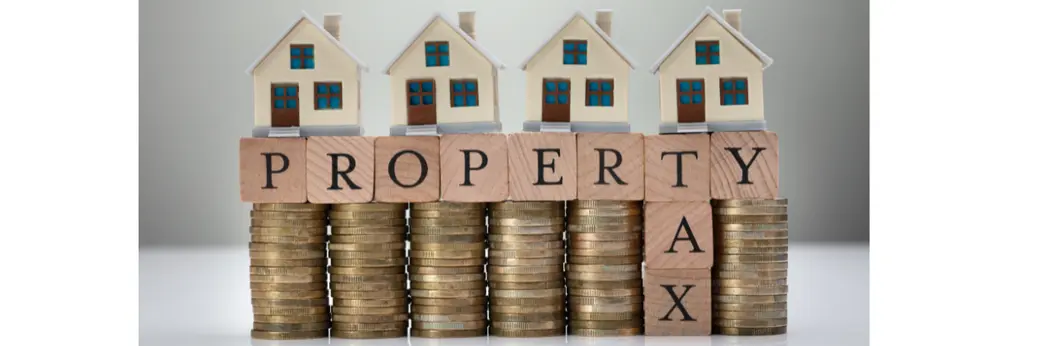
Florida’s property tax landscape is gearing up for what could be one of the most significant overhauls in decades. Over the past few weeks, state lawmakers have pushed forward several major proposals—some of which could dramatically lower or even phase out certain property taxes for homeowners across the state, including right here in Central Florida.
So, what’s actually happening, and what does it mean for you? Let’s break it down.
 A Big Move Toward Reducing Property Taxes
The Florida House recently advanced a package of constitutional amendment proposals aimed at reshaping non-school property taxes for homeowners with a homestead exemption. The headline proposal: a plan to gradually eliminate all non-school ad valorem property taxes on homestead properties over the next decade.
Here’s how the phased version would work:
-
The homestead exemption would increase by $100,000 each year for 10 years
-
By 2037, homesteads would be fully exempt from non-school property taxes
-
School taxes would not be affected and would continue under current rules
While bold, this approach is designed to give homeowners long-term relief without abruptly disrupting local government budgets.
Other Proposals on the Table
Lawmakers also introduced several related amendments, including:
-
A full elimination of non-school property taxes (a more aggressive version)
-
Expanded exemptions for homeowners 65 and older
-
Adjustments to assessment limitations, potentially capping how fast a property’s assessed value can increase
These amendments reflect growing political momentum toward easing the tax burden on Florida homeowners, especially as insurance, cost of living, and housing expenses remain top-of-mind for residents.
What’s Next?
Because these proposals are constitutional amendments, they must pass the Legislature and then be approved by 60% of Florida voters in an election. Even if lawmakers move quickly, the earliest you’ll likely see these measures on the ballot is 2026.
That means nothing changes on your current 2025–2026 tax bill just yet—but big shifts could be coming.
How This Impacts Central Florida Homeowners
For homeowners in areas like Orlando, DeLand, Volusia, Seminole, and Orange County, here’s what these changes could mean:
-
Lower long-term tax bills, especially if the phased elimination becomes law
-
Potential changes in local government budgeting, since non-school property taxes fund services like fire rescue, law enforcement, and local operations
-
More stability for homeowners on fixed incomes, especially seniors
-
A more attractive financial landscape for buyers, which could boost certain local markets
At the same time, counties and municipalities are raising concerns about budget shortfalls and may eventually shift revenue strategies through fees or rate adjustments.
Bottom Line
Florida’s property tax debate is heating up, and the decisions made over the next year could reshape homeownership costs statewide. For now, stay tuned, stay informed—and if you’re considering buying or selling, this evolving tax landscape may introduce new opportunities depending on how the amendments progress.
If you'd like, I can also create a short email-blast version or a social media caption summarizing this update.
Categories
Recent Posts









ARE YOU LOOKIING TO SELL YOUR HOME FOR TOP DOLLAR? CLICK THE BUTTON BELOW TO GET STARTED
SELL YOUR HOME